The Tunisia You Haven’t Met
Facts about Tunisia’s landscapes, history, culture, food, heritage and wild side.
Most people picture the same Tunisia: a Mediterranean beach, a resort, Carthage, maybe the Sahara. They're not wrong, they're just seeing a fraction of the country. Drive inland from the coast and Tunisia keeps changing on you: forested northern mountains give way to olive groves and steppe, then salt lakes, palm oases and finally the Sahara itself. Thousands of years of Punic, Roman and Islamic history are layered into that landscape, and most of it is still standing.
Tunisia Is Not One Landscape
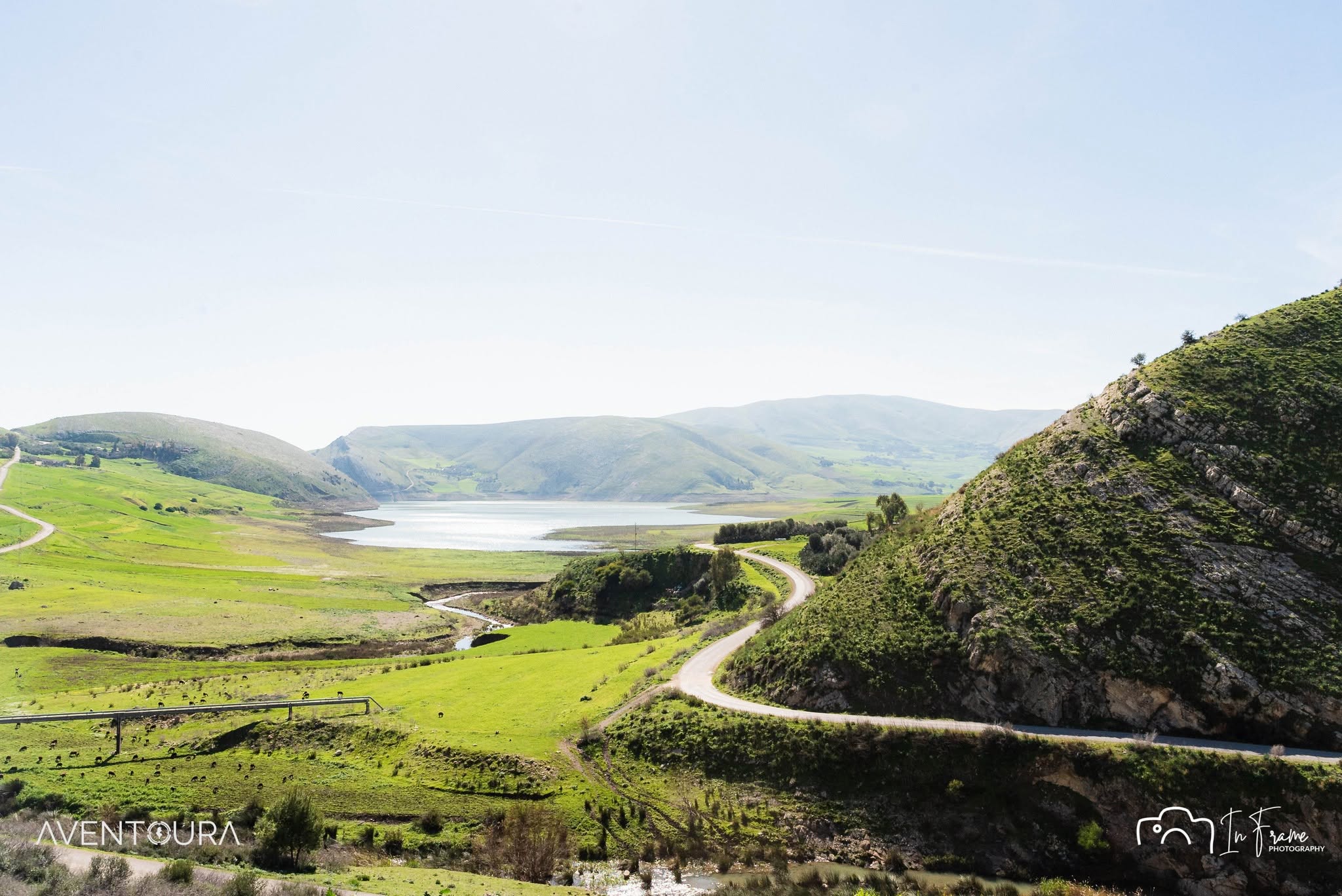
Start in the northwest and you'll find the Kroumirie region green with forest, its hills wrapped in a wetter Mediterranean climate that has nothing to do with the resort-brochure Tunisia most people know. Keep driving south and the land dries out fast. Central plains and steppe give way to salt depressions, then oases, then desert. Somewhere in between, Tunisia's highest point, Jebel Chaambi, rises to about 1,544 metres. Few countries this size pack in so much: forests, wetlands, plains, islands, salt lakes and oases, all within a day or two of each other.
A Different Side of Tunisia: Its Wetlands
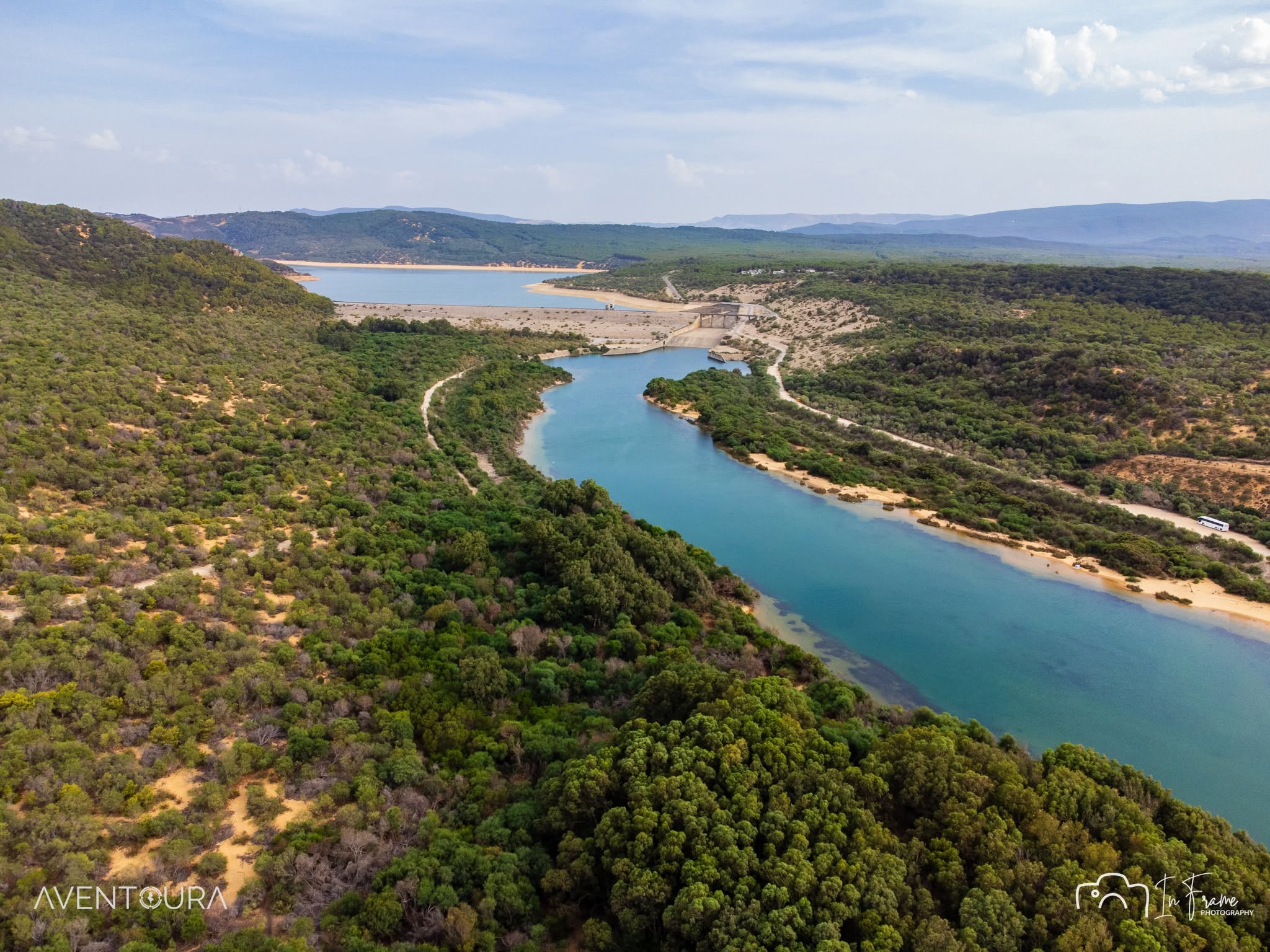
Nobody puts a wetland on a Tunisia postcard, but the country has a surprising network of lakes, lagoons, marshes and sebkhas, many recognized under the Ramsar Convention. Come during migration season and northern wetlands fill with greater flamingos and other waterbirds. Ichkeul National Park, a lake, a mountain and the wetlands stretched between them, is Tunisia's only natural UNESCO World Heritage site, and one of the quieter reasons to head north instead of south.
Before Tunisia Was Tunisia
History here isn't kept behind glass. It's built into the towns people still live in. Carthage was founded by Phoenician settlers in the 9th century BC and grew into one of the great powers of the ancient Mediterranean, until Rome tore it down in 146 BC after the Third Punic War. A Roman city rose on the same ground not long after, the first of many layers that never quite erase the one underneath.
Tunisia's Roman Ruins
Roman Africa left behind an unusually well-preserved footprint. At Dougga, temples, baths and theatres spread across a hillside town that still overlooks the countryside around it. At El Jem, one of the largest amphitheatres in North Africa rises straight out of a modern town. At Bulla Regia, Roman villas were built underground, a clever answer to the summer heat. And at Sbeitla, Roman and Byzantine ruins stand against land that's grown steadily drier since. What stays with you isn't the number of sites so much as how differently each one sits in its landscape.
Tunisia Has 10 UNESCO World Heritage Sites
UNESCO currently lists ten World Heritage properties in Tunisia, nine cultural and one natural: Carthage, Dougga, El Jem, Kairouan, the Medina of Tunis, the Medina of Sousse, Kerkouane, Djerba, Ichkeul National Park and Sidi Bou Saïd. And the list keeps growing. Sidi Bou Saïd joined it in 2026, recognized for its Sufi spiritual history and the way the whole village grew up around its sanctuary. Djerba was inscribed in 2023, not for any single monument but for its settlement pattern, a recognition of how one community shaped an island over centuries.
Heritage That's Still Alive
Some of what matters most in Tunisia was never meant to sit in a museum. UNESCO recognizes ten elements of the country's intangible cultural heritage, among them couscous, harissa, the pottery of Sejnane, the charfiya fishing technique still practiced in the Kerkennah Islands, the knowledge that surrounds the date palm, and traditions in calligraphy, metal engraving and henna. These are skills and recipes people are still using today. You don't just look at this heritage. You sit down and eat it.
Then Tunisia Turns Wild Again
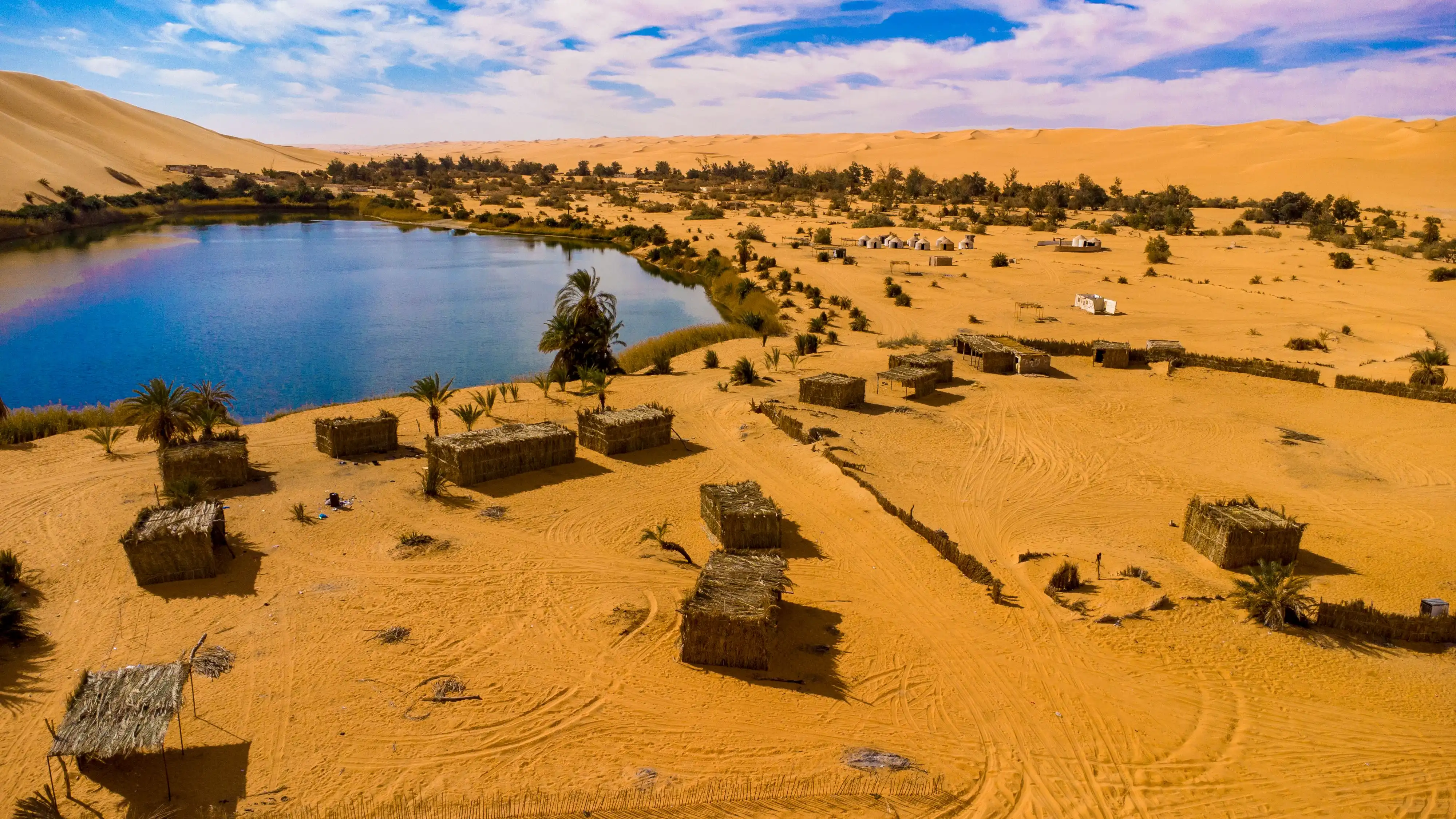
South of the oases, the Sahara opens up, though it's rarely the endless sea of dunes people expect. Near Tozeur, Chott El Jerid is a vast salt depression that looks almost otherworldly: flat, white, and shifting colour with the light rather than piled into dunes. Not far from there, the mountain oases of Chebika, Tamerza and Midès tuck canyons, water and palm groves into what would otherwise be bare, dry rock. Farmers still grow crops in the shade of the date palms here, the same way they have for generations.
Tunisia's Desert Has Its Own Architecture
Further south still, around Tataouine and Matmata, the architecture answers directly to the climate. Ksour, fortified granaries built into hillsides, and troglodyte homes carved straight into the earth for cooler living, both grew out of necessity rather than style. None of it is UNESCO-listed yet, though it's on the Tentative List, one more part of the country still waiting to be properly seen.
And Then There Is the Food
Tunisian food shifts with the geography the same way the landscape does. Seafood along the Mediterranean coast. Olive groves through the Sahel. Dates and oasis farming in the south. Couscous, harissa, brik, lablabi and ojja are the dishes most visitors come to know, and UNESCO's recognition of couscous and harissa says something true: food here isn't a tourist attraction, it's identity.
Tunisia Is Not One Destination
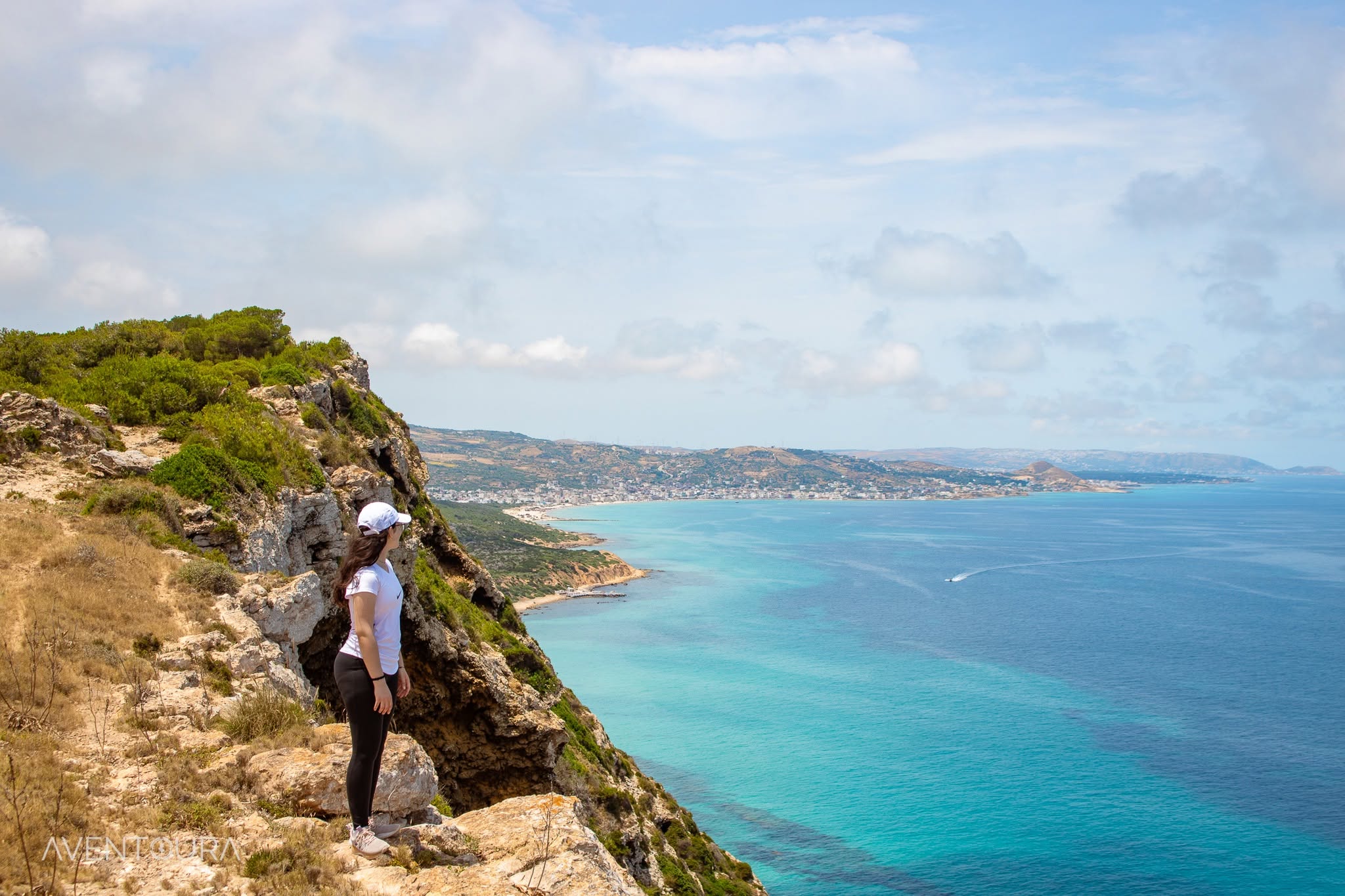
A beach is a fine place to start, but it's only one landscape among many: forests and mountains, Roman ruins and living crafts, wetlands and migratory birds, oases and desert canyons. Adventure here doesn't need to be extreme. Sometimes it's just a road you haven't taken yet, or a meal shared with someone you only just met. Tunisia was never one destination. It's several, folded into a single country, and there's still more of it worth finding than any postcard lets on.
Tunisia isn't one destination. It's many worlds in one country.
Aventoura Outdoors